Engineering insight.
Real-world results.
Enerinno combines engineering expertise with practical IoT monitoring to help building owners and contractors improve system performance and reduce energy use.
High-Efficiency Equipment
Does Not Guarantee High-Efficiency Operation.
Enerinno combines system balancing, direct HVAC equipment integration, wired and wireless sensors, edge calculations and customized dashboards to help diagnose and verify real-world performance.

Engineering Expertise
Our mechanical engineers, certified HVAC contractors, data analysts and energy auditors combine field measurements with system balancing, commissioning and performance verification.
About us →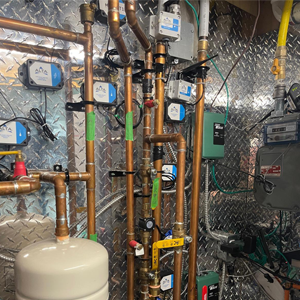
Data Collection
Collect existing equipment data and add cost-effective wired or wireless sensors for temperature, flow, pressure, energy and other operating measurements.
Explore solutions →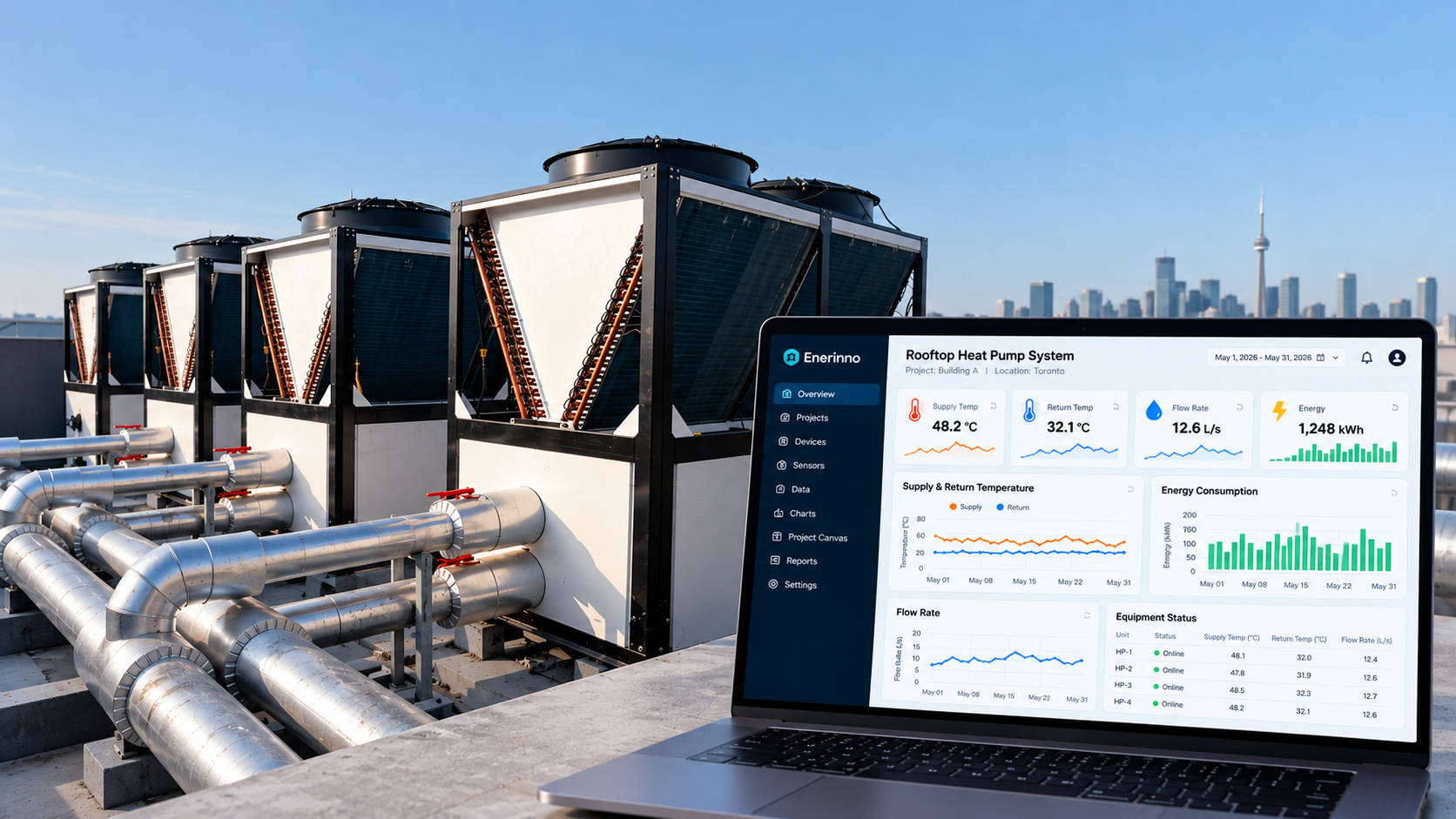
Visualization
Transmit measurements using MQTT or HTTP, visualize historical trends, calculate performance indicators and investigate issues through customized dashboards and Project Canvas.
View platform →The Importance of System BalancingBetter Performance, Lower Energy Consumption
Even high-efficiency HVAC equipment can underperform when flow rates, temperature setpoints, and control sequences are not properly adjusted. Enerinno combines mechanical engineering expertise with practical IoT monitoring to identify these issues, support corrective actions, and verify actual system performance.
System Balancing
Incorrect water flow and poorly balanced systems can prevent even high-efficiency heat pumps, boilers and chillers from achieving expected performance.
Setpoints, Sequencing & Controls
Unsuitable temperature setpoints, equipment sequencing and control settings can increase energy use and reduce system efficiency.
Limitations of Conventional Monitoring
Dedicated BAS performance analysis can be costly, while short-term field tests may miss problems that emerge under changing operating conditions.
Cost-Effective IoT Monitoring
Wired and wireless sensors, direct equipment integration, edge calculations and dashboards capture real operating data and help reveal hidden deficiencies.
Engineering-Led Correction & Verification
Mechanical engineers, certified HVAC contractors, data analysts and energy auditors diagnose issues, support adjustments and verify improvements. Where suitable, edge intelligence can also support automated operating decisions.
From Measurement to Measurable Improvement
Our monitoring approach goes beyond data collection. We compare actual performance with expected operation, identify opportunities for correction, and verify the results.
Observe
Collect measurements and equipment operating conditions.
Understand how the system operatesDiagnose
Identify mechanical and control deficiencies.
Find the cause of underperformanceCorrect
Support system balancing and setpoint adjustments.
Apply targeted operating adjustmentsVerify
Document system performance following corrective actions.
Confirm and document the outcomeEngineering expertise + real operating data = informed decisions and verifiable performance.
Custom PCB Design
for HVAC & Industrial IoT
Project-specific electronics, engineered for reliable monitoring and control.
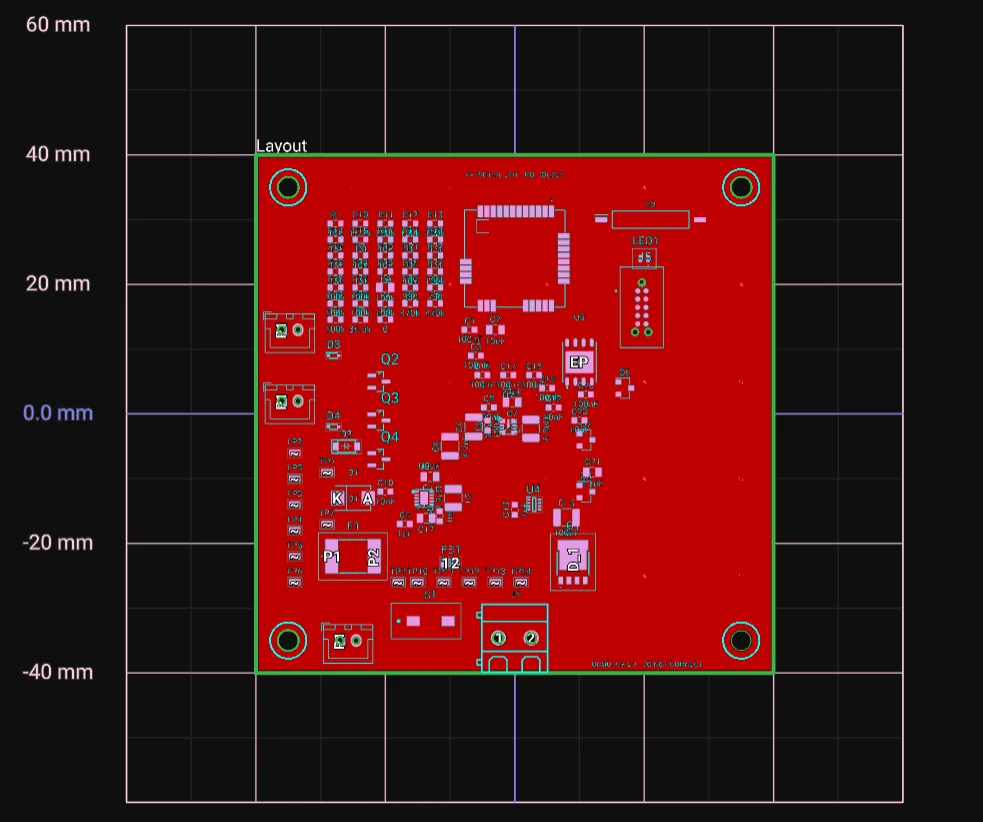
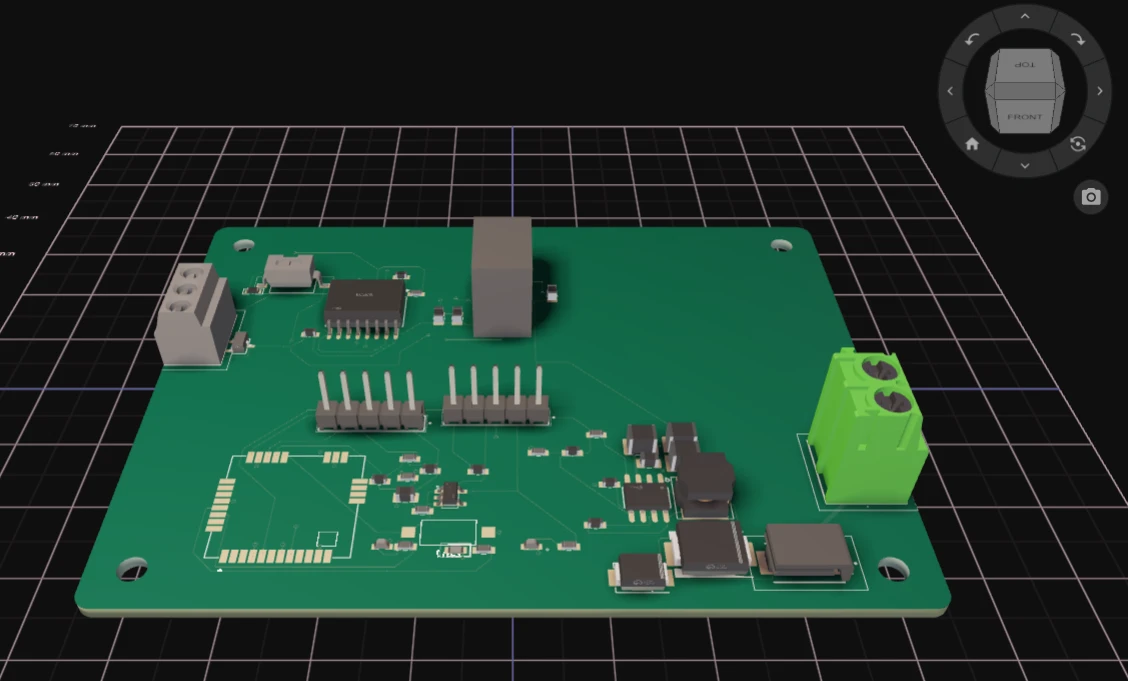
Enerinno develops custom electronic hardware and PCB prototypes for HVAC monitoring, industrial IoT and building automation applications.
Our embedded systems engineering team translates project requirements into practical hardware solutions, from sensor interfaces and wireless communication to prototype fabrication and functional validation.
Custom PCB Design
Sensor inputs, signal conditioning, power supply circuits and project-specific interfaces.
Industrial Connectivity
LoRa wireless links, RS485/Modbus communication and equipment integration.
Prototyping & Validation
Component selection, PCB fabrication, assembly and functional validation.
From Concept to Prototype
- 01Requirements
- 02PCB Design
- 03Fabrication
- 04Testing
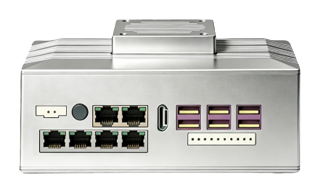
Enerinno Edge AI Gateway
Local Intelligence for HVAC Systems
Enerinno offers an edge AI gateway designed to analyze sensor data locally, identify unusual operating patterns and deliver actionable insights while reducing reliance on continuous cloud connectivity.
Pattern Detection
Identify operating signatures and unusual equipment behavior.
Predictive Alerts
Flag emerging conditions that may indicate faults or declining performance.
Adaptive Processing
Adjust calculations and data transmission rules for project-specific needs.
Model Development
Use validated project data to develop and improve future analytics models.
AI features depend on suitable data, a defined use case and validation before operational deployment.